
NATIONAL NEWS
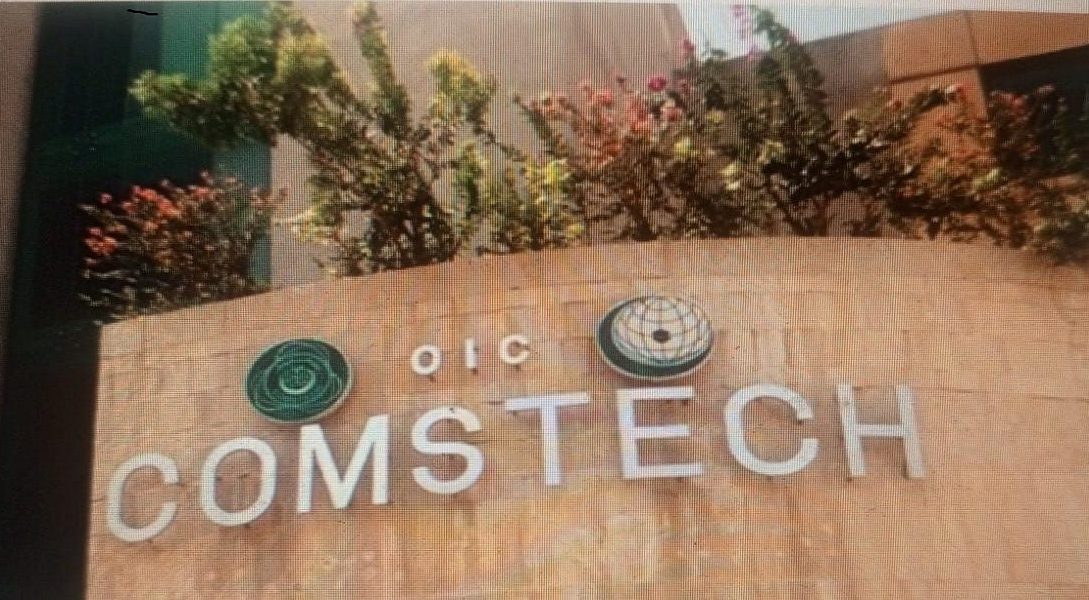
ISLAMABAD: The OIC‑COMSTECH and Drug Regulatory Authority of Pakistan (DRAP) have finalized dates for three thematic seminars — each paired with a technical exhibition — aimed at boosting innovation, regulation, and domestic capacity in critical health sectors: herbal medicines, vaccines, and medical devices.
The agreement was reached during a meeting between OIC-COMSTECH’s Coordinator General, Prof. Dr. M. Iqbal Choudhary, and DRAP’s Chief Executive Officer, Dr. Obaidullah. They reviewed ongoing collaborative efforts and set out a roadmap to deepen scientific collaboration and regulatory harmonization among OIC member and observer states.
Both leaders emphasized that despite considerable local expertise and demand, fields like Unani and herbal medicine remain underdeveloped — representing an untapped opportunity. They also pointed to vaccine development as essential for regional and global health security. Additionally, they stressed the importance of strengthening Pakistan’s medical devices industry to reduce reliance on imports and improve the resilience of national health infrastructure.
The upcoming seminars will bring together stakeholders — regulators, practitioners, manufacturers, academics, innovators, and international specialists — to share knowledge, display local capabilities, encourage technology transfer, streamline regulatory procedures, and explore investment and cooperation opportunities across the region.
The schedule is as follows: the seminar on Unani, herbal, and traditional medicines will be held on January 15, 2026; the vaccines seminar will take place over February 7–8, 2026; and the final event focused on medical devices — including surgical instruments and related technologies — is planned for March 26, 2026. Each event will include an exhibition showcasing both local and international products, underlining domestic strengths and promoting industry linkages.
Prof. Dr. Choudhary reaffirmed COMSTECH’s dedication to building scientific capacity and fostering innovation in the Muslim world, aligning these initiatives with the broader goal of achieving self-reliance in health technologies. Dr. Obaidullah, for his part, assured DRAP’s full support and emphasized that regulatory frameworks must evolve in step with scientific and industrial progress.
Together, these seminars mark a major push toward enhanced regional cooperation, innovation, and development of indigenous health-technology capabilities.
Read more: https://nayakashmir.com/lahore-ranked-worlds-most-polluted-city-as-smog-blanket-deepens/