
ECONOMIC NEWS
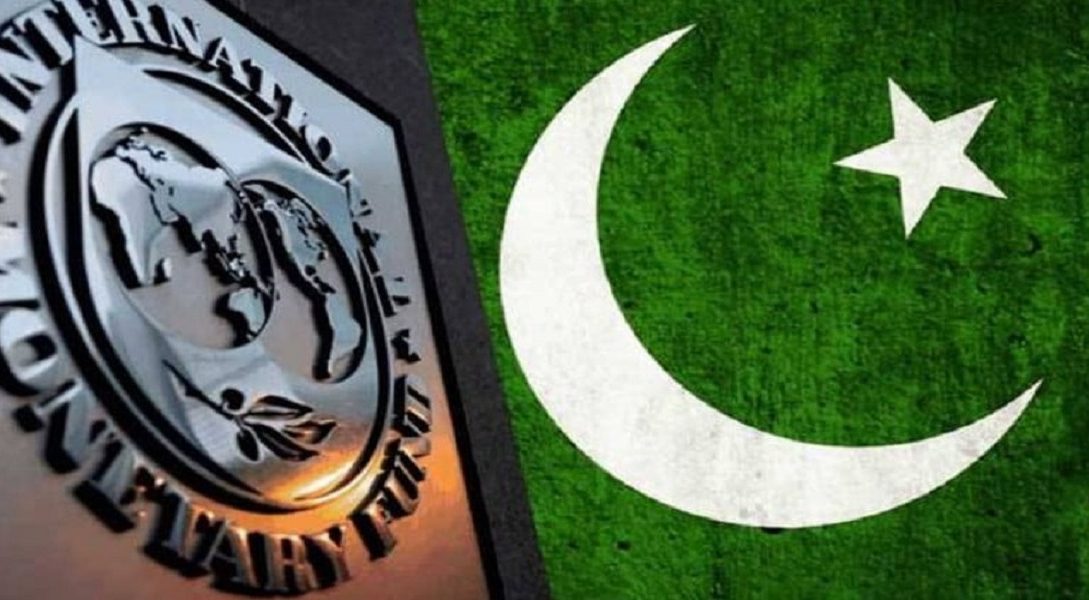
WASHINGTON: The International Monetary Fund (IMF) has given Pakistan the green light for the release of its next tranche—exceeding $1.2 billion—after the country successfully met all major economic targets outlined under its reform programs.
The fresh disbursement comes through Pakistan’s ongoing Extended Fund Facility (EFF) and the Resilience and Sustainability Facility (RSF), which together total $7 billion.
The IMF Executive Board convened in Washington to evaluate the staff-level agreement and Pakistan’s overall progress. Following a positive assessment, the Board confirmed that Pakistan had fulfilled the program’s structural and quantitative requirements, clearing the way for the new installment.
IMF representatives acknowledged that Pakistan’s commitment to reforms remains critical, especially as the country continues to grapple with the aftermath of climate-related disasters.
Pakistan earlier received two major inflows from the Fund—$1 billion each in September 2024 and May 2025.
The latest approval follows the successful completion of the second economic review. According to the Ministry of Finance, several economic indicators have shown promising improvement:
- Pakistan recorded its first current account surplus in 14 years.
- Inflation has stayed within manageable levels, supported by strict fiscal discipline.
- Foreign exchange reserves have risen, boosting investor confidence.
Officials added that the government remains committed to maintaining price stability—an observation echoed by IMF-linked sources.
The Fund also underscored the importance of continued support for flood-hit populations, calling such assistance vital for a broad-based and sustainable recovery.
Pakistan’s progress in reforming the energy sector earned particular praise. The IMF highlighted key improvements, including:
- Steps to reduce circular debt
- Enhanced governance practices
- Reforms in tariff-setting mechanisms and long-term energy planning
IMF officials emphasized that deeper climate and structural reforms are essential for Pakistan’s long-term stability, especially in light of the severe flooding experienced in recent years.
The program also includes several major initiatives, such as:
- Finalization of the Governance and Corruption Diagnostic Report
- Measures to improve transparency and public-sector efficiency
- Integration of climate resilience into future economic planning
With the latest approval, the IMF reiterated that continuity in reforms, disciplined implementation, and strong institutional oversight will be central to Pakistan’s sustained economic recovery and the restoration of global investor confidence.
Read more: https://nayakashmir.com/indonesian-president-arrives-in-islamabad-today-marking-75-years-of-ties/